
'Vires acquirit eundo' - we gather strength as we go

Vires acquirit eundo
With another act of aggression lashing out against civility in our city yesterday, I thought of the city's motto - we gather strength as we go- and I believe we do, as we become a large, truly cosmopolitan city. I would not have known our city's motto except that the day before I looked in on the current exhibition at the City Gallery in the Melbourne Town Hall - 'Emblazon': Melbourne's coat of arms' (7 September - 30 January 2019).
Coats of arms and heraldry are a somewhat old-fashioned part of our genealogical wanderings. But this small exhibition telling the story of Melbourne's coat of arms is worth a visit. The City Gallery is easy to find and too easy to walk past - located on the main Town hall frontage sharing its entrance with HALF-TIX ... see CITY GALLERY WEBSITE.
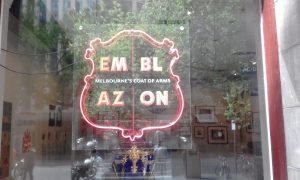 'Emblazon' Exhibition. City Gallery window at Melbourne Town Hall, 8 Nov 2018
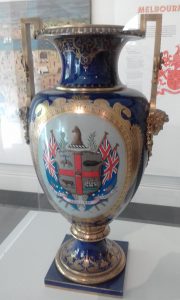 Sevres vase 1880. City of Melbourne Art and Heritage Collection (photo: W. Barlow, 2018)
The exhibition includes many examples of the 'arms' from street signs, street bollards, documents, a cast iron roundel from the old Eastern Markets, a Sèvres vase (1880) and three quirky takes on that vase commissioned by MCC in 2018. Our official 'arms' includes a fleece, a cow, a whale and a ship as 1840s symbols of the city. One of the 2018 vases, Yhonnie Scarce's memorial urn, contains 'symbols of lives lost since the British arrived'.
Our family histories are embedded in the social history of our cities and places. City of Melbourne can be congratulated for its City Gallery, and these quarterly exhibitions, which have been showcasing our shared heritage.
You should visit.
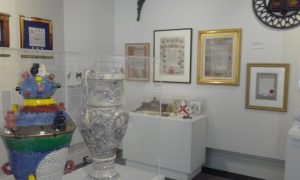 Gallery with 2018 vases by Brennan (L) and Wedd (R). (Photo: W. Barlow, 2018)
Bill Barlow
***
'Emblazon: Melbourne's Coat of Arms', exhibition catalogue, 2018.
Exhibition Curator: Alisa Bunbury / MCC Art and Heritage Collection team.
Sevres vase, Sevres Porcelain Factory, 1880
'Urn with Nature Pot', vase, Angela Brennan, 2018
'She gathers Strength As She Goes', vase, Gerry Wedd, 2018
'For the Fallen', vase, Yhonnie Scarce, 2018.
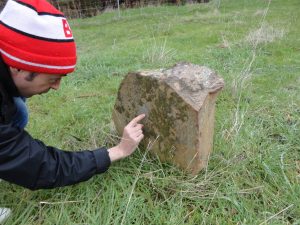 An almost illegible early 1850s gravestone in Cemetery Reef Gully Cemetery, Chewton, Vic. (Photo: W. Barlow, 2017)
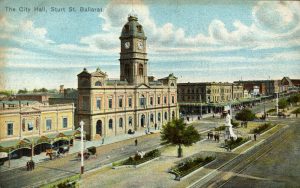 City Hall, Ballarat c.1907. (Courtesy SLV Pictures H96.200/1381)
 The winner of the AncestryDNA kit was won by Rod Van Cooten, and GSV thanks all those who participated.
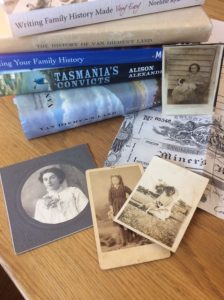 'Family history has always been a popular pastime, whether it involves drawing up complicated family trees or recording stories from the past. In recent years, the availability of so many records online, and the possibility of finding DNA matches, has escalated this ‘hobby’ into a worldwide craze. One motivator for exploring family history, popularised by the ‘Who do you think you are?’ television programs, is the search for self-understanding – finding your identity through knowing more about where you come from. Genealogical studies can also assist in understanding your own family dynamics, and in a broader sense, the histories of ‘ordinary people’ (and thus nations) from times past. Some family historians see themselves as ‘kin keepers’- inspired by wanting to acknowledge their ancestors through passing on their stories to a new generation. Others are searching for a lost relative, or for clues about their medical history and biological risk factors. For some, the detective work of the research process becomes an end in itself, with genealogists often reporting elation and other strong emotions as they discover a new link or break down a ‘brick wall’.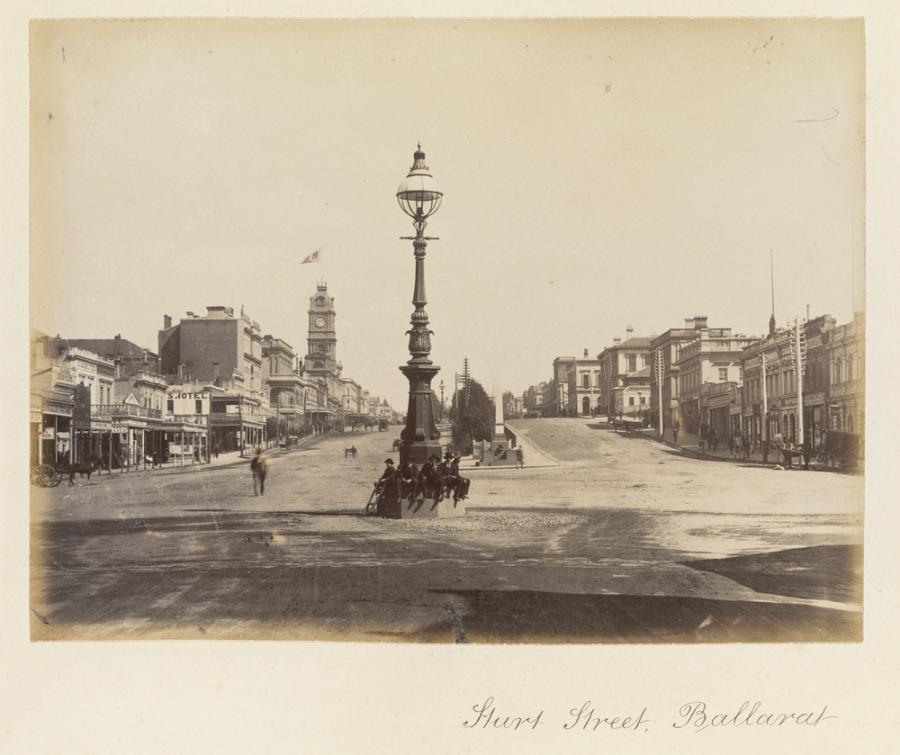
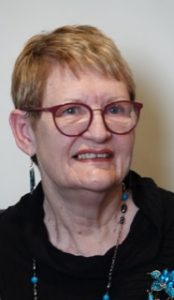 Dr Joan Hunt
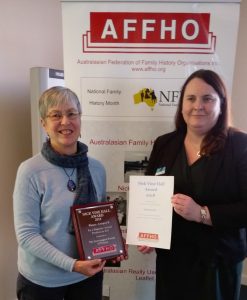 Barbara Beaumont (left) accepting Nick Vine Hall Award 2018.
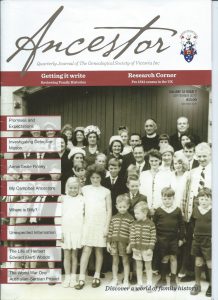 The winning issue of Ancestor, 33:7 September 2017
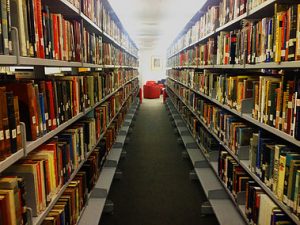 The RUSI library at Victoria Barracks
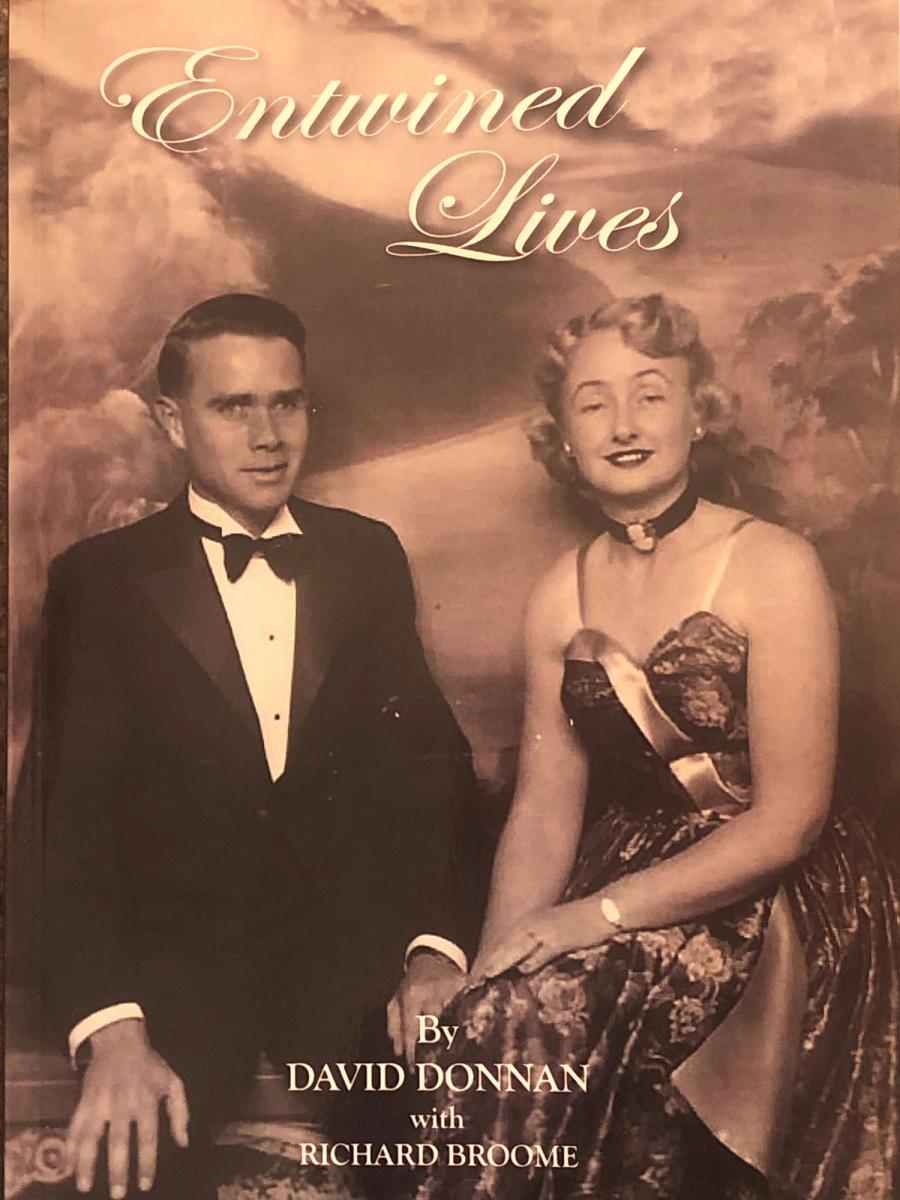
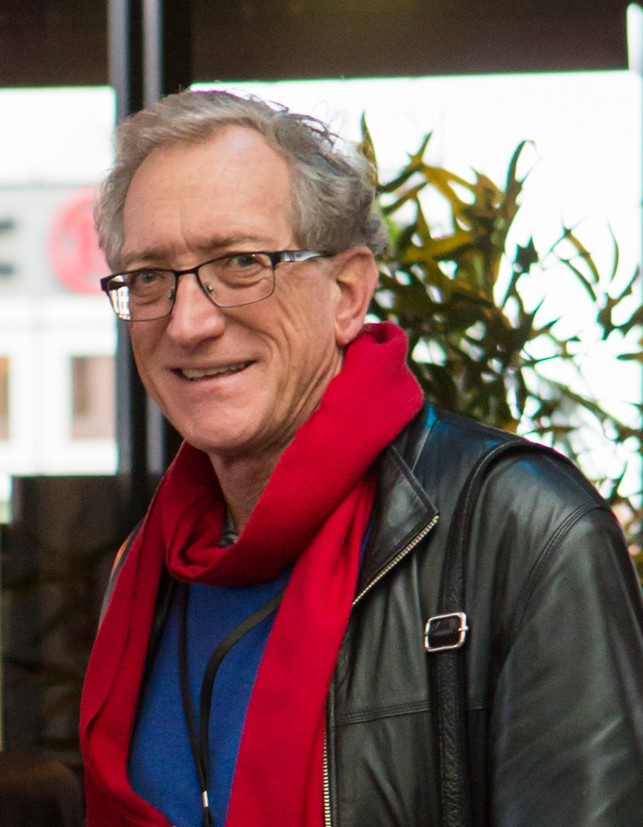 Richard Broome, Fellow of the Australian Academy of the Humanities,